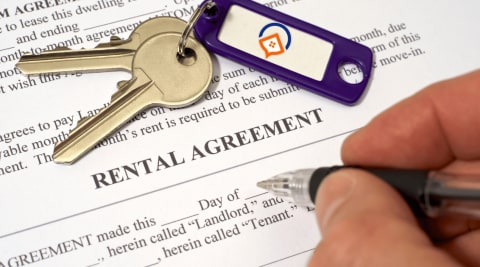
What is a Dutch Rental Contract?
A Dutch rental contract is a legal agreement between a landlord and tenant that outlines the terms and conditions of renting a property in the Netherlands. Unlike informal arrangements, a formal contract protects both parties and is essential for anyone planning to rent housing in the Netherlands.
For expats and internationals, understanding the specifics of a Dutch house rent contract is crucial. These contracts are governed by Dutch law, and landlords are legally required to provide written contracts for most residential rentals. The contract serves as your protection against unexpected evictions and unfair rental practices.
While many landlords may offer a Dutch rental contract template, it's important to understand that variations exist between properties, landlords, and regions. Each contract should clearly state the rental period, payment terms, and both parties' responsibilities.
Key Components of a Dutch Rental Contract
Every legitimate Dutch rental contract should include several essential elements. Understanding these components helps you identify fair terms and spot potential issues before signing.
- Property Description: The full address and details of what's included in the rental (furniture, appliances, parking space)
- Rental Amount: The monthly rent and what utilities are included or excluded
- Rental Period: Whether it's a fixed-term contract or open-ended arrangement
- Deposit Amount: Security deposit details and conditions for its return
- Payment Terms: Due date, payment method, and late payment consequences
- Maintenance Responsibilities: Who is responsible for repairs and maintenance
- Termination Clause: Notice periods required for ending the contract
- House Rules: Regulations regarding pets, guests, noise, and smoking
Many landlords base their contracts on a standardized Dutch rental contract template, which typically covers these elements. However, custom agreements may include additional terms specific to the property or landlord preferences.
Fixed-Term vs. Open-Ended Contracts
Understanding the type of contract you're signing is fundamental when renting Dutch house rent properties. The Netherlands offers two primary contract types, each with different implications for your tenancy.
Fixed-Term Contracts (Bepaalde Tijd): These contracts run for a specific period, typically ranging from six months to several years. Once the period ends, the contract terminates unless both parties agree to renew it. Fixed-term contracts are common for furnished apartments and temporary housing situations. The landlord cannot evict you during the contract period without legal grounds, providing stability for expats planning a specific stay in the Netherlands.
Open-Ended Contracts (Onbepaalde Tijd): These contracts continue indefinitely until either party provides proper notice of termination. Open-ended contracts offer stronger tenant protections and are particularly beneficial if you plan a long-term stay. Landlords must provide valid reasons to terminate these contracts, such as selling the property or moving in themselves.
Many expats initially sign fixed-term contracts when arriving in the Netherlands, then transition to open-ended arrangements as they settle. This progression is perfectly normal and reflects typical rental patterns in Dutch cities.
Your Rights and Responsibilities as a Tenant
Dutch tenant law provides substantial protections, even if your Dutch rental contract suggests otherwise. As a renter of Dutch house rent properties, you have fundamental rights that cannot be waived by contract terms.
Tenant Rights Include:
- The right to a habitable property with adequate heating, water, and sanitation
- Protection against arbitrary eviction (landlords must provide notice periods)
- The right to request repairs for structural damage and maintenance issues
- Privacy rights—landlords cannot enter without proper notice and valid reasons
- Protection from discrimination based on nationality, ethnicity, religion, or other protected characteristics
- The right to organize with other tenants and join tenant organizations
Tenant Responsibilities Include:
- Paying rent on time and in full
- Maintaining the property in good condition
- Reporting necessary repairs promptly to the landlord
- Following house rules regarding noise, guests, and communal areas
- Returning the property in its original condition (normal wear and tear excepted)
- Notifying the landlord before the contract end date if you plan to leave
When searching for rental properties, tools like HuisPin can help you scan multiple platforms simultaneously, ensuring you find properties with fair contract terms and legitimate landlords. This is especially valuable for expats unfamiliar with the Dutch rental market.
Understanding Deposits and Return Conditions
The security deposit (borgtocht) is a significant component of any Dutch rental contract. Understanding deposit regulations protects your financial interests when renting Dutch house rent properties.
Landlords can request a deposit equal to one or two months' rent, depending on the contract type and property value. In the Netherlands, landlords are required by law to deposit your security money in a separate bank account and provide proof of this arrangement. They cannot use your deposit as rent payment.
When your tenancy ends, landlords have typically 30 days to return your deposit, minus any legitimate deductions for damage beyond normal wear and tear. Legitimate deductions might include significant damage to walls, broken windows, or missing furniture. However, normal scuff marks, small holes, or minor carpet wear cannot justify deductions.
Your Dutch rental contract template should specify the deposit amount, how it's held, and the timeline for its return. Ensure your contract includes detailed photographic documentation of the property's condition at move-in. Request a walk-through with your landlord on your first and last days to document any pre-existing damage or issues.
Common Contract Pitfalls and How to Avoid Them
Even though many landlords use a standard Dutch rental contract template, variations exist that may disadvantage tenants. Expats renting Dutch house rent properties should watch for several red flags.
Problematic Terms to Avoid:
- Excessive Deposit Amounts: Deposits exceeding two months' rent may be illegal depending on circumstances. Verify this with local tenant organizations.
- Vague Damage Clauses: Contracts stating tenants are responsible for "any damage" are too broad. Insist on specific definitions of tenant liability.
- Short Notice Periods: Fair notice periods are typically one to two months. Anything less may violate Dutch law.
- Missing Repair Obligations: Your contract should clearly state that landlords maintain the property's structural integrity and major systems.
- Unclear Utility Terms: Ensure your contract specifies which utilities are included in rent and which you pay separately.
- Discriminatory Terms: Any contract clauses discriminating based on nationality, family status, or other protected characteristics are illegal.
Before signing any Dutch rental contract, consider having a Dutch-speaking friend review it, or consult tenant advice organizations like the Nederlandse Woonraad or local housing associations. Many cities offer free tenant counseling services specifically for internationals.
Getting Started: Finding Properties with Clear Contracts
When searching for rental properties in the Netherlands, finding landlords offering transparent, fair Dutch rental contracts is essential. Platforms that scan multiple sources simultaneously—like HuisPin's multi-platform scanning feature—help you identify more listings and landlords, increasing your chances of finding properties with clear terms.
Look for listings that explicitly mention contract details, deposit amounts, and contract type. Landlords transparent about contract terms upfront are typically more professional and reliable. Be cautious of listings with vague descriptions or reluctance to discuss contract specifics before viewing.
Request a copy of the complete Dutch rental contract template before committing to anything. Legitimate landlords provide this readily. Take time to read it carefully, and don't hesitate to ask questions or request modifications to unfair terms before signing.
- Dutch rental contracts are legally required for residential rentals and protect both landlords and tenants
- All contracts should clearly specify rent amount, deposit, contract type, and termination terms
- Fixed-term contracts offer short-term housing solutions; open-ended contracts provide stronger long-term protections
- Dutch law grants tenants substantial rights that cannot be removed by contract clauses
- Security deposits must be held separately and returned within 30 days of move-out
- Always review contracts carefully and request modifications to unfair terms before signing
- Use multi-platform rental search tools to find transparent landlords with clear contract terms

