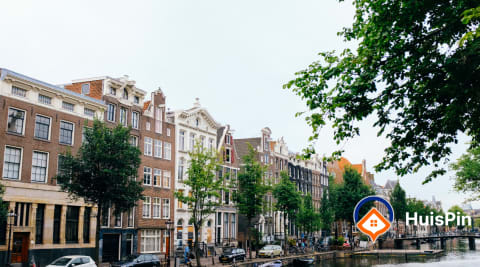
Understanding The Hague's Rental Market
Finding housing in The Hague can feel overwhelming, especially if you're new to the Netherlands. The Dutch rental market moves quickly, and competition is fierce. But don't worry—with the right approach, you'll find the perfect place for your expat adventure.
The Hague, or Den Haag as locals call it, is the Netherlands' third-largest city and home to thousands of international professionals, students, and families. The rental market here is diverse, with options ranging from cozy studio apartments to spacious family homes spread across neighborhoods like Scheveningen, Voorburg, and the city center.
Understanding how the market works is your first step. Dutch landlords expect efficiency and professionalism from renters. They review applications quickly, and properties often rent within days. Speed and preparation matter here.
Register Early on Multiple Housing Platforms
Start your search on multiple platforms simultaneously. The Netherlands has several major housing websites, each with different property listings. Relying on just one platform means missing out on great opportunities.
Popular platforms include Funda (the largest), Pararius, Huurwoningen, and Kamernet. Each has unique listings and user bases. Rather than checking each site manually every day, consider using aggregator tools like HuisPin that scan multiple platforms at once. This saves time and ensures you see new listings before they're gone.
Set up alerts for your preferred neighborhoods and budget. Get notifications as soon as new properties match your criteria. In a competitive market like The Hague, being first to respond can make the difference between getting your dream apartment and losing it to someone else.
Check our housing listings in The Hague to see what's currently available across multiple platforms.
Prepare Your Documentation Before You Start
Dutch landlords want to see proof that you're a reliable tenant. Before you begin seriously searching, gather your documents. This includes:
- Valid passport or ID
- Employment contract or letter from your employer
- Recent payslips or proof of income
- Bank statements showing financial stability
- References from previous landlords (if available)
- A simple CV or biography
Having these ready speeds up the application process dramatically. When a landlord asks for documents, you can respond within hours instead of days. This responsiveness signals that you're serious and professional.
If you're relocating from abroad and don't have Dutch references, provide international ones. Landlords understand that expats are new to the country. What matters most is demonstrating that you can pay rent reliably.
Know The Hague's Neighborhoods and Transport Links
The Hague is more spread out than smaller Dutch cities. Where you choose to live affects your daily quality of life. Spend time researching different neighborhoods to find one that suits your lifestyle.
Scheveningen offers beach vibes and waterfront living but tends to be pricier. Voorburg is quieter and more residential, popular with families. The city center provides walkability and cultural attractions but has higher rents. Zoetermeer and Leidschendam are just outside the city, offering more space and lower prices.
Check transportation connections carefully. The Hague has excellent tram, bus, and train services. Use 9292.nl or the NS app to check commute times to your workplace. A slightly cheaper apartment in a distant neighborhood might become expensive once you factor in transportation costs and time.
Visit neighborhoods in person if possible. Walk around at different times of day. Feel the vibe. Talk to locals. This helps you avoid neighborhoods that don't match your expectations.
Understand Rental Costs and Hidden Expenses
The advertised rent is just part of the story. Budget-conscious expats often overlook additional costs:
- Service costs (servicekosten) – Usually €100-300/month, covering maintenance and common areas
- Utilities – Gas, electricity, and water typically cost €80-150/month depending on season
- Internet – Around €40-60/month
- Deposit (borg) – Usually one to two months' rent, refundable when you move out
- Broker fees – Some platforms charge 50-75% of monthly rent as a finder's fee
Always ask what's included in the rent. Some landlords include utilities; others don't. Confirm whether furniture is included. These details significantly impact your actual housing budget.
Calculate your total housing costs before committing to avoid financial surprises later.
Master the Application and Negotiation Process
When you find a property you like, act quickly. Draft a professional email expressing your interest. Include a brief introduction, mention why you're interested in the property, and attach your key documents.
Landlords in The Hague appreciate efficiency and honesty. A well-written introduction email can influence their decision before you even meet. Keep it professional but warm.
Be prepared for viewings. Multiple people often view the same property on the same day. Have your documents printed or ready to share digitally. Ask relevant questions: Is the contract fixed-term or indefinite? What's the notice period? When can you move in?
Don't assume the rent is fixed. While less common than in other countries, some landlords are open to negotiation, especially for longer-term contracts. It never hurts to ask politely.
Once an agreement is reached, ensure everything is in writing. Review the rental contract carefully. The Dutch have strong tenant-protection laws, so ensure both parties understand their responsibilities.
Learn About Tenant Rights and Local Regulations
As a renter in the Netherlands, you have legal protections. Familiarize yourself with these before signing anything.
Dutch rental law states that landlords must maintain properties in good condition. You have the right to privacy and protection from sudden eviction. Deposit disputes are taken seriously, and most must be held in a protected account.
If something breaks, contact your landlord immediately. Document issues with photos. Keep copies of all communication. This protects you if disputes arise later.
Understand that most Dutch rental contracts are indefinite, meaning they continue until either party gives notice (usually one month's notice is required). This works in your favor if you like the property and landlord.
For more detailed information, visit the Huurcommissie (rental disputes commission) website or consult local expat communities online.
Key Takeaways
- Register on multiple platforms and set up alerts to catch new listings quickly
- Prepare all necessary documents before starting your serious search
- Research neighborhoods thoroughly and check transportation links carefully
- Budget for service costs, utilities, and other expenses beyond base rent
- Act fast on properties you love, with professional communication and complete documentation
- Understand your tenant rights and ensure contracts are clear and fair
- Use tools like HuisPin to scan multiple platforms simultaneously and save time
- Visit neighborhoods in person to get a genuine feel before committing
Finding housing in The Hague takes effort, but it's absolutely doable. Stay organized, remain flexible, and don't get discouraged by rejections. The right place is out there waiting. Start your search today on rental listings across the Netherlands and take advantage of modern tools that make the process faster and easier.