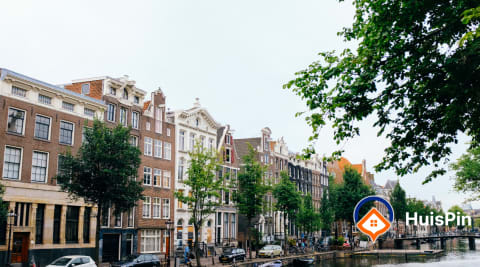
Finding Rental Housing in the Netherlands: A Guide for Expats
Moving to the Netherlands is exciting, but finding a place to live can be challenging. The Dutch rental market works differently than many other countries, and expats often make costly mistakes during their housing search. Whether you're relocating to Amsterdam, Rotterdam, or smaller cities, understanding common pitfalls will help you secure the right rental home faster.
In this guide, we'll walk you through five critical mistakes that expats commonly make when renting in the Netherlands. By learning from these errors, you can navigate the Dutch housing market more confidently and avoid unnecessary stress.
Mistake #1: Not Starting Your Search Early Enough
One of the biggest Dutch rental mistakes expats make is underestimating how competitive the housing market is. Many people begin their search just weeks before their move-in date, only to find that most appealing properties are already rented.
The Dutch rental market moves fast. Popular listings can receive dozens of applications within hours. If you're planning to relocate to the Netherlands, start searching at least 2-3 months in advance. This timeline gives you:
- More options to choose from
- Time to arrange viewings and compare properties
- Space to prepare your application and documentation
- Less pressure to accept unsuitable housing
Using platforms like HuisPin to scan multiple rental sites including Funda, Pararius, Huurwoningen, and Kamernet can save you hours and help you catch new listings immediately. Setting up property alerts means you'll never miss an opportunity.
Mistake #2: Ignoring the Importance of a Strong Application
Landlords in the Netherlands receive multiple applications for each property. Your application needs to stand out. Many expats underestimate how seriously Dutch landlords take the application process, and this costs them good homes.
To strengthen your renting Netherlands application, prepare:
- Proof of income: Recent salary slips, employment contracts, or bank statements showing regular deposits
- References: Letters from previous landlords or employers confirming you're a reliable tenant
- Identification: Valid passport or EU residence card
- Financial documentation: Bank statements showing you can afford the rent comfortably
- A personal letter: A brief, friendly note about yourself explaining why you're moving to the Netherlands
Having these documents ready before you start viewing properties puts you at a significant advantage. When you find a property you love, you can submit a complete application immediately rather than waiting weeks to gather paperwork.
Mistake #3: Not Understanding Dutch Rental Contracts and Tenant Rights
The Netherlands has strong tenant protection laws, but many expats don't know their rights. This lack of knowledge can lead to unfavorable agreements or missed protections.
Key things to understand about housing tips Netherlands:
- Unfurnished vs. furnished: Unfurnished rentals often come completely empty (no kitchen, flooring, or light fixtures). Furnished rentals are more common for expats but typically cost more.
- Deposit limits: Landlords can ask for a maximum of two months' rent as a deposit
- Rent increases: Annual rent increases are limited by law and require proper notice
- Termination rules: Both you and your landlord must provide proper notice periods (typically 1-2 months)
- Maintenance responsibility: Landlords must maintain the property in livable condition
Before signing any contract, read it carefully or ask a Dutch-speaking friend to review it. Many expat communities have forums or organizations that can provide guidance on rental agreements.
Mistake #4: Overlooking Hidden Costs and Additional Fees
The advertised rent price is often not the complete picture. Expats frequently get surprised by unexpected expenses after moving in, which strains their budget and creates frustration.
When evaluating rental properties, clarify what is included:
- Utilities: Are gas, water, and electricity included or separate?
- Internet: Is broadband included, or do you need to arrange your own?
- Service fees: Does the landlord charge maintenance or communal area fees?
- Parking: Is parking included, or do you need to pay extra?
- Furnished costs: Some landlords charge more for properties with existing furniture
Always ask for a detailed breakdown of all costs in writing. This prevents misunderstandings and helps you make accurate budget comparisons between different properties. A rental that seems cheap might actually be expensive once you add everything up.
Mistake #5: Not Checking the Neighborhood and Location Thoroughly
Many expats focus so much on the apartment itself that they neglect to properly evaluate the surrounding area. Moving to a beautiful apartment in an inconvenient or unsafe neighborhood is a common regret.
Before committing to a rental, spend time in the neighborhood:
- Visit at different times of day (morning, afternoon, evening)
- Check public transportation connections and walking distances to your workplace
- Research local amenities: supermarkets, pharmacies, parks, restaurants
- Talk to current residents about safety and community atmosphere
- Look up property prices in the area to ensure you're paying fairly
- Consider proximity to friends, expat communities, or cultural institutions important to you
The Netherlands is small, but neighborhood quality varies significantly. What seems like a good central location might actually be in a noisy area with student populations. Conversely, quieter suburbs might feel isolated if you prefer vibrant community life. Knowing what you're getting into prevents costly mistakes.
Making Your Netherlands Rental Search Easier
Avoiding these Dutch rental mistakes requires patience, preparation, and the right tools. By starting early, building a strong application, understanding your rights, calculating true costs, and thoroughly evaluating neighborhoods, you'll be well-positioned to find suitable housing.
Using platforms that scan multiple rental sites simultaneously helps you find more options faster. Setting up alerts ensures you never miss a property, giving you the competitive edge you need in the Dutch rental market.
Your housing search is just the beginning of your Netherlands adventure. Take time to do it right, and you'll enjoy your new home for months or years to come.
Key Takeaways
- Start your rental search 2-3 months before your move-in date to access more properties and reduce pressure
- Prepare a comprehensive application with income proof, references, and identification before viewing properties
- Study Dutch rental contracts and tenant rights to protect yourself and understand your obligations
- Calculate total rental costs including utilities, internet, and service fees rather than focusing only on advertised rent
- Evaluate neighborhoods thoroughly by visiting at different times and researching local amenities and safety
- Use multi-platform rental scanning tools to catch new listings immediately and increase your chances of finding the right home